
Ceramic Veneers and Dental Laminates in Noida
Refine your smile with custom-designed ceramic veneers. These thin, laboratory-made restorations can improve the appearance of selected teeth by changing their colour, shape, proportions and visible surface characteristics.
At Dentessence Dental Care, veneer treatment begins with a careful assessment of your teeth, gums, bite and smile goals. The aim is to develop a natural-looking result while preserving healthy tooth structure wherever clinically possible.
What Are Ceramic Veneers?
Ceramic veneers, also known as porcelain laminates, are thin, custom-made restorations bonded to the front surfaces of teeth. They are designed to improve selected aesthetic features while blending with the surrounding natural dentition.
Unlike a dental crown, which generally covers the entire visible portion of a tooth, a veneer primarily covers its front surface. The amount of tooth preparation required depends on the existing tooth position, colour, shape, bite and the planned restoration.
Improve tooth colour
Ceramic veneers can help mask selected forms of discolouration that may not be adequately addressed by conventional whitening. The appropriate material and shade depend on the underlying tooth colour and the desired result.
Refine shape and proportions
Veneers can change the visible shape, width and proportions of selected teeth, helping address minor irregularities, worn edges or small cosmetic discrepancies.
Improve smile harmony
Tooth shape, shade, visible tooth display, gum contours and facial features can all influence smile design. These factors should be considered together during treatment planning.
Custom-made restorations
Ceramic veneers are fabricated to suit the planned shape, shade and fit. Their final appearance depends on careful clinical planning, laboratory work and adhesive bonding.
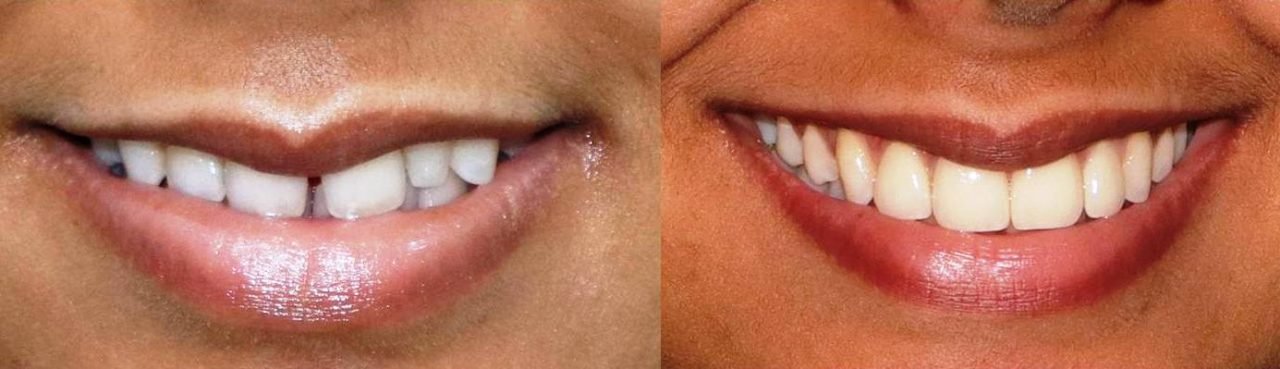
Who May Be Suitable for Ceramic Veneers?
Ceramic veneers may be considered when the main concern is the appearance of otherwise restorable teeth. Treatment suitability is determined individually after an examination.
Persistent discolouration
Veneers may help with selected intrinsic stains or colour concerns that are not adequately managed by whitening.
Chipped or worn edges
Veneers can restore the visible contour of certain teeth, provided the remaining tooth structure and bite support the proposed restoration.
Minor shape irregularities
Differences in tooth shape or proportions may sometimes be corrected with carefully planned ceramic restorations.
Selected small gaps
Veneers may improve the appearance of some spaces between teeth. Larger gaps or more significant alignment concerns may be better addressed with orthodontic treatment.
Ceramic Veneers vs Composite Bonding
Ceramic veneers and composite bonding can both improve the appearance of teeth, but they use different materials and techniques. The most appropriate option depends on the amount of change required, tooth condition, bite, maintenance expectations and treatment goals.
Ceramic veneers
Custom-made restorations fabricated outside the mouth and bonded to the teeth. Ceramic can provide excellent colour stability and surface aesthetics, but the restorations may chip, fracture or require replacement.
They generally involve laboratory fabrication and may require irreversible enamel preparation.
Composite bonding
Tooth-coloured composite resin is shaped and bonded directly to the tooth in many cases. It can be useful for selected chips, small gaps and minor contour changes.
Composite can often be repaired directly but may require more maintenance because of staining, wear or chipping.
Neither treatment is automatically best for every patient. A clinical assessment helps determine which approach offers the most appropriate balance of aesthetics, function and preservation of natural tooth structure.
The Ceramic Veneer Treatment Process
Treatment typically involves assessment, planning, any necessary tooth preparation, laboratory fabrication and adhesive bonding. The exact sequence and number of visits vary by case.
Consultation and assessment
Your dentist evaluates your teeth, gums, bite, existing restorations and smile concerns. Your expectations and alternative treatment options are discussed before a plan is finalised.
Smile design and planning
The proposed tooth shape, proportions and shade are planned in relation to your smile. Photographs, digital planning or a mock-up may be used where appropriate.
Tooth preparation, when indicated
A carefully controlled amount of enamel may need to be removed to provide space for the ceramic and achieve the planned contours. The preparation depends on the individual case; no-preparation treatment is not suitable for everyone.
Laboratory fabrication
Records of the prepared teeth are sent to the dental laboratory so the restorations can be fabricated to the planned design. Temporary restorations may be provided when appropriate.
Try-in and adhesive bonding
The veneers are checked for fit, shape and shade before bonding. The dentist then bonds the restorations using an appropriate adhesive protocol and checks the bite.
How Long Do Ceramic Veneers Last?
Ceramic veneers can provide long-lasting aesthetic results, but they are not permanent for life. Their longevity depends on the ceramic material, bonding, preparation design, bite forces, oral hygiene and habits such as clenching or grinding.
Veneers can chip, fracture, debond or develop problems at their margins. They may eventually need repair or replacement. Because conventional veneer preparation can permanently remove enamel, patients should understand the long-term commitment before proceeding.
How to Care for Ceramic Veneers
Maintain daily oral hygiene
Brush twice daily with fluoride toothpaste and clean between your teeth every day. The natural tooth around and beneath a veneer can still develop decay.
Protect against excessive forces
Avoid biting hard objects or using your teeth as tools. If you grind or clench, ask your dentist whether a protective night guard is appropriate.
Attend regular reviews
Routine dental examinations allow your dentist to monitor gum health, veneer margins, bonding and your bite.
Seek advice if something changes
Contact your dentist if a veneer feels loose, chips, causes discomfort or changes the way your teeth meet.
Ceramic Veneers Cost in Noida
The cost of ceramic veneers depends on the number of teeth being treated, the selected ceramic system, laboratory requirements, case complexity and any preparatory treatment that may be needed.
During a consultation, your dentist can explain the proposed treatment, the number of veneers indicated, the expected stages and the applicable fees. Comparing treatment plans should involve more than the price per tooth: preparation, material, fit, maintenance and long-term implications also matter.
Frequently Asked Questions
Are ceramic veneers and porcelain laminates the same?
The terms are often used interchangeably. Porcelain is one type of dental ceramic used to make thin veneers bonded to the front surfaces of teeth.
Do ceramic veneers require shaving the teeth?
Some enamel preparation is commonly required, but the amount varies by case. Minimal-preparation or no-preparation approaches may be suitable in selected situations. They should not be promised before a clinical assessment.
Do ceramic veneers look natural?
They can look natural when tooth proportions, shade, translucency, surface texture, gum contours and the surrounding teeth are carefully considered. Results depend on the clinical plan, laboratory work and individual case.
Can veneers correct crooked teeth?
Veneers can sometimes improve the appearance of minor irregularities, but they do not move teeth. Significant crowding or bite problems may require orthodontic treatment rather than masking the position with restorations.
Can I get ceramic veneers if I grind my teeth?
Grinding or clenching can increase the risk of chipping or fracture. Your dentist needs to assess your bite and discuss risk management before recommending veneers.
Are ceramic veneers reversible?
When enamel is removed, the procedure is irreversible. Even minimal-preparation approaches require careful consideration. Patients should understand the long-term maintenance and possible replacement needs before treatment.
Explore Ceramic Veneers at Dentessence Dental Care
If you are considering ceramic laminates or veneers in Noida, a personalised consultation can help you understand the options, potential benefits, limitations and treatment stages.
The first step is to assess your teeth and smile goals and determine whether ceramic veneers are appropriate for you.
Treatment recommendations and outcomes vary by individual. A clinical examination is necessary before deciding on treatment.